
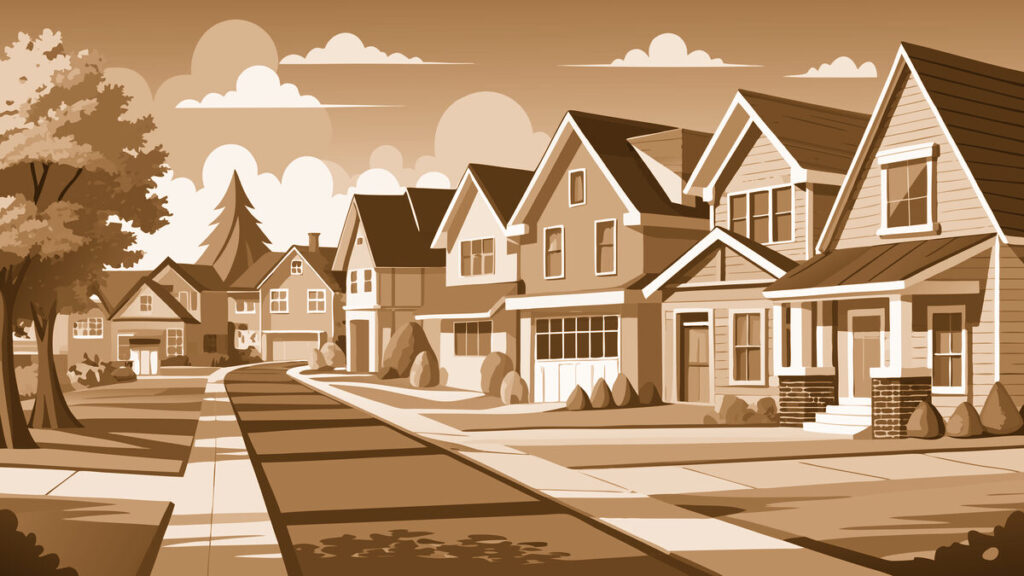
Nestled in the eastern reaches of Grapevine, the Glade neighborhood weaves a tapestry of history, resilience, and pride. This cherished area is more than a cluster of streets and houses—it’s a cornerstone of Grapevine’s story, rich in both pioneer spirit and neighborly warmth. For longtime residents and newcomers alike, Glade’s heritage is a source of community pride, its parks and homes echoing the passage of decades.
The Origins of Glade: A Name Rooted in Nature
The very name “Glade” conjures images of sunlit clearings, open spaces bordered by woodlands and wild prairie grass. In the days before Grapevine blossomed into a sought-after suburb, the land east of Main Street was just that: gentle, grassy meadows and pockets of dense trees running alongside creeks. Early settlers referred to these open stretches as “glades,” appreciating their natural beauty and suitability for settlement.
As Grapevine’s township formed in the mid-1800s, these glades provided the fertile backdrop for farming and gathering, and it was only fitting that neighborhoods springing up along present-day Glade Road would borrow the name. Glade Road itself, now a major thoroughfare linking neighborhoods and city amenities, traces the historical path settlers used to travel between homesteads, markets, and the nearby “Grape Vine Prairie.”
Key Historical Milestones: Growth through the Generations
The Glade neighborhood’s story mirrors the broader evolution of Grapevine:
- Mid-19th Century: Grapevine’s earliest settlers, many arriving from Tennessee and Kentucky, established homesteads near the glades for their proximity to water sources and arable land. The area east of the railroad track (now close to Glade Road and Pool Road) was dotted with farming plots and, eventually, vineyards.
- Early 20th Century: As Grapevine incorporated in 1907, Glade’s population remained sparse but steadily grew. Several family farms—some of whose descendants still live locally—were clustered along Glade Road, precursors to the suburban homes found today.
- Post-WWII Expansion: With the advent of DFW Airport and the suburban boom of the 1970s and 1980s, Glade transformed from farmland to thriving residential streets. Subdivisions like Glade Crossing and Glade Hill introduced modern conveniences, with their entrance signs still echoing the neighborhood’s pastoral roots.
- 21st Century Revitalization: Recent decades have seen a fresh wave of pride and investment. Parks like Parr Park (off Parr Lane) and the iconic Bear Creek Trail have become gathering spots, while local schools—among them, Grapevine Elementary and Heritage High—anchor Glade’s family-friendly reputation.
Notable Landmarks and Beloved Institutions
Though Glade is primarily residential, several landmarks contribute to its unique sense of place:
- Parr Park: Frequently called the “jewel of Glade,” this sprawling park on Parr Lane offers hike-and-bike trails, splash pads, soccer fields, and picnic spaces. Generations of Grapevine residents remember little league games here or lazy Sunday afternoons by the creek.
- Bear Creek and Bear Creek Trail: This meandering waterway traces the western edge of Glade, with a scenic greenbelt that connects neighborhoods and offers a leafy respite from busy roads. Local traditions, like springtime wildflower walks and community runs, often start along this trail.
- Historic Homesteads: Scattered throughout side streets like Hall Johnson Road and Glade Lane are a handful of preserved or restored early-to-mid-century homes, many with original stonework or quaint front porches. While the area is dominated by post-war and newer builds, these houses remain tangible links to Glade’s rural beginnings.
- Glade United Methodist Church: Established in the mid-1900s, this faith community on Glade Road has served generations as both a place of worship and a gathering center—hosting everything from holiday potlucks to local Boy Scout meetings.
Evolution over the Decades: Then and Now
Walking through the Glade neighborhood today, it’s easy to imagine how life has changed throughout the years:
- In the early 1900s, street names like Lonesome Dove Road and Glade Road marked simple dirt paths, sometimes muddy but always busy with carts and wagons heading into Grapevine’s downtown market.
- The introduction of paved streets and utilities in the late 1960s and 1970s transformed accessibility, encouraging more families to settle along the glade. Schools were built, small shops opened, and the neighborhood’s population blossomed.
- The 1990s ushered in a new era of community-focused living. Neighborhood associations formed, annual events like block parties and holiday parades became traditions, and parks were expanded. Today, the Glade neighborhood is known for its friendly spirit, where neighbors wave from front porches and local businesses sponsor youth sports teams.
What Makes Glade Special Today
Ask any longtime Grapevine resident, and they’ll tell you the Glade neighborhood carries an indelible, welcoming charm. Its evolution from prairie glen to bustling neighborhood is a testament to the enduring values of community and stewardship. Whether you’re strolling beneath mature oaks along Glade Road, exploring Bear Creek Trail, or enjoying a summer concert at Parr Park, you’re soaking in living history—a legacy built by those who loved and cared for this very land.
While the skyline has grown and the fields have given way to homes and schools, Glade remains true to its roots: a place where natural beauty, neighborhood pride, and shared history unite. It’s this unique blend of past and present that continues to draw families to the area and make Glade a treasured piece of Grapevine’s heritage.